adrenaline-revolver:

neurodiversitysci:

delicatefury:

thaxted:

santheum:

oldtoadwoman:

pftones3482:

idiagroena:

prokopetz:

basiacat:

basiacat:

that’s not………. how child speech works…………………………………………..

god okay in an attempt to be less of an asshole, here’s how child speech DOES work (or tend to work, at least)

  • kids tend to hypercorrect — this means that they tend to say things like “sleeped” instead of “slept,” “writed” instead of “wrote,” “goed” instead of “went,” etc
  • kids tend not to make errors such as omitting verbs (“i hungry”)
  • kids also tend not to make errors in the i/me, she/her department (“me am hungry”)
  • simplification of difficult sounds — consonant clusters especially, so things like st, sp, ps, etc., as well as f, v, th-sounds, ch-sounds, etc.
  • “babbling”-type utterances (“apwen” for “airplane,” using one babbly word for multiple objects, things like that) generally occur in children under the age of three and a half
  • say it with me: an eight-year-old child is not going to be saying “me hungwy”
  • do not confuse child speech with stereotypical learner english mistakes, that’s not only incorrect but also gross on the stereotypical learner english front (“me love you long time,” anybody?)
  • if you’re going to write kidfic please do some * research

Totally. It can be helpful to remind yourself that young children tend to speak as though the English language actually made sense. Our brains are pattern-recognising machines: children are really, really good at puzzling out the implicit rules of the English language, but they don’t necessarily know all the silly exceptions and bizarre edge cases that break those rules yet – those can only be learned through experience and rote memorisation.

Basically, when children who speak English as a first language make mistakes, it typically reflects a tendency to treat English as more grammatically, syntactically, and/or orthographically consistent than it really is. In some cases, this can be compounded by the fact that some kids will get offended at how little sense “proper” English makes, and insist upon using the more consistent forms even though they know very well that they’re technically “wrong”.

for a long young portion of my life I insisted on pronouncing Sean “SEEN” because that’s how it’s spelled.

As someone who spends a good majority of her time working with kids, it irks me to no end when I see children written as if they’re babies.

Past the age of about five or six years old, children can have deep, intellectual conversations about the most bizarre of things. I HAD A CONVERSATION LAST WEEK WITH FOUR THIRD GRADERS ABOUT THE GAS PRICES AND TAXES IN HAWAII.

Were they entirely correct in the facts they were giving? No, because it was all from what they had heard from parents or on the news. But that doesn’t take away from the fact that I was having a genuine conversation with four eight and nine year olds about taxes.

Just about the only speech problems most kids have, unless they have a speech impediment, is not being able to pronounce certain consonants (replacing ‘th’ with ‘fw,’ for example, and some letters are harder to form with your mouth than others) and doing exactly what the person above said: using the English language the way they know how, which isn’t always the way English works.

Kids aren’t stupid. Stop writing them like they are.

I was tutoring a little kid (second grade, I think). He was complaining about a worksheet. “This is hard.” I started to correct him as I knew he was more than capable of it and this bright kid, who had obviously heard the lecture before from others, interrupted me and said: “I know. I know. It’s not really difficult. It’s just time consuming.” Some kids are spooky-smart and even quite articulate.

If you need (plotwise) to emphasize that the child is specifically childish … have them tell the same joke to everyone they meet, cracking themselves up before they get to the punchline … have them ask “Why?” incessantly … have them fidgeting and possibly breaking things (”Oops.” “What?” “Nothing!” “WHAT?!”) … and if you have more than one kid, even of the same age, you don’t have to write them at the same intelligence level or emotional maturity. Some kids are messy and some are obsessively neat. Some are quiet, some loud. Some giggly, some surly. They basically come in the same range of personalities as adults. 

If you don’t want to invest a lot of time writing dialog for kids, just establish that you have a quiet kid. But a kid who gives single-word answers is usually doing so because they don’t like you (or trust you) or they are focused on their own thing and you’re interrupting them. It doesn’t mean they lack the vocabulary or that they don’t understand the adult conversation going on “over their head” (the more inappropriate the conversation, the more likely the kids are paying attention).

I have jabbed the back button so many times on terrible kid fic. This is an excellent resource – kid fic, when done well, is a real treat for me.

The only children I have ever met who did say things like “me hungwy” were the ones who had figured out that if they sounded “adorable” they could wrap adults around their precious little fingers. Kids get it.

Kids also slur and mumble a lot. Especially when they’re tired. They don’t say “me hungwy”, they say “M’hungry”, or “m’hung’y” cause it just takes too much effort or time to do a proper distinct ‘r’.

Really, with kids, it’s more about how they say the words than what they say. A sleepy kid can be adorable, but they’re either cranky as hell or nearly dead on their feet. A hungry kid is going to be cranky (again) or whiney. A bored kid’s going to be fidgety and/or whiney. etc. 

Generally speaking, in my experience, kids are as smart as any adult. What they lack is:
* Life experience and knowledge about the world. So sometimes, things that seem silly and cliche to us are new, exciting, and profound to them.
* A long term perspective. They don’t have a sense of “this too shall pass.” If something upsets them right now, it’s the end of the world. If something makes them happy, they think they’ll never be unhappy again. This hurts their judgment and can make them emotionally reactive.
* Self-control. Try to get kids to sit quietly when they’re tired or hungry or angry, and you’ll see what I mean.
* The ability to know what they know and verbalize it to others. Any therapist will tell you kids pick up family dynamics and detect conflict parents are trying to hide like no one’s business. They can’t usually talk directly about it, though, although they might enact the patterns they see with dolls and pretend play.
* Defenses and seeing themselves through others’ eyes. I love teaching and doing research with children because their personalities are so quickly and easily visible. Their parents are another matter. Until at least 5th or 6th grade, they’re not constantly thinking about how others perceive them and constructing complicated facades.
* Meta-thinking. When I ask a child who just solved a logic puzzle or answered a question correctly how they knew, they’ll often say something like “I just knew,” “because I’m smart,” “my sister taught me,” or “I don’t know.” This is related to kids rarely knowing and being able to verbalize what they know.
* Basic executive functions like working memory, processing speed, and inhibition. All of these rely on the frontal lobe and develop slowly. A concrete example: on a brief IQ test like the Woodcock Johnson, I’ve seen kids get lost in the problem and forget part or all of what they were being asked, but they could solve it accurately if you kept reminding them (but did not otherwise provide help). Their standard scores with reminders were often over 120 (roughly “gifted range”), while without, they did about average.
* They ask questions, but they don’t critically question what you’ve been told. In my experience with gifted kids for example, they ask so many questions it wears parents and teachers out. But until adolescence, they trust what they learn from books, parents, and teachers. They don’t ask constantly, “how do you know? How do I know?” I vividly remember beginning to ask these how-do-we-know questions at 14. I suddenly became aware of a lack of certainty of everything I knew and believed.

Kids are smart and observant, but they are not little adults. Their perspective is so different given their size, relationship to time, and dependence on the adults around them. If you want to write about kids, keep that in mind, listen to them, and observe them closely.

And speech patterns with kids don’t always match intelligence and confidence. I was a sharp little one and would talk to anyone but for the life of me I couldn’t make “th” sounds until my school sent me to a speech therapist. I didn’t have a lisp or a stutter or anything it’s just that Thursday was fursday until I was taught how to make the sound.

Hmm, I’m not sure this counts, but my brother’s friend was called Calvin, but everyone called him Cal. Except I just heard them say Cow all the time so I just called him Cow and got laughed at.  I was so stubborn that he was called Cow and eventually he moved away.

I didn’t learn that he was actually named Calvin until years later when Jeremy was playing Pokemon Stadium 2 at this Museum Video Game exhibit and he pointed out a trainer named Calvin.

puns-and-musicals:

rosiechocolateglitter:

nazz-c:

haitumblerz:

stardustgalaxy:

afoxinwonderland:

redandblacktac:

xxkaibutsukoxx:

kittymewmyu:

askyourbestnightmare:

thecrystalfems:

iamanelemelon:

serperoir:

marcosclopezblog:

xeppeli:

ryu1964:

prpldragonart:

dajjthespoon:

killbenedictcumberbatch:

nolanthebiggestnerd:

kridtsohgniarb:

lozchic3:

nolanthebiggestnerd:

gastrictank:

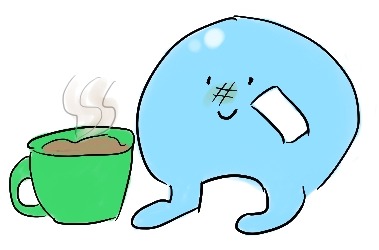
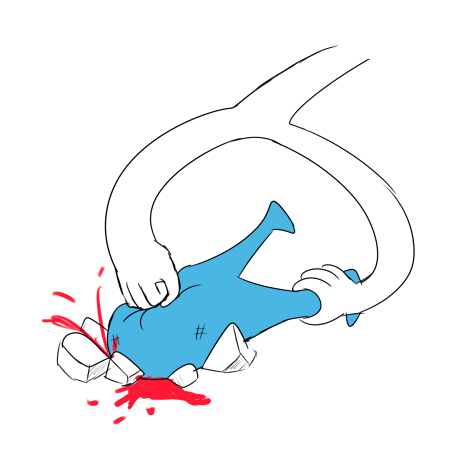
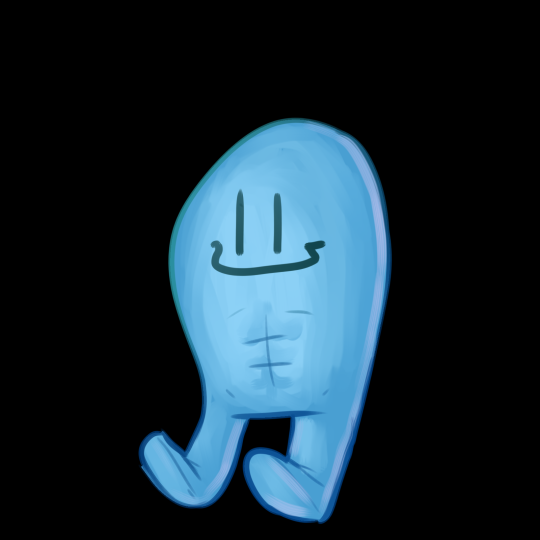
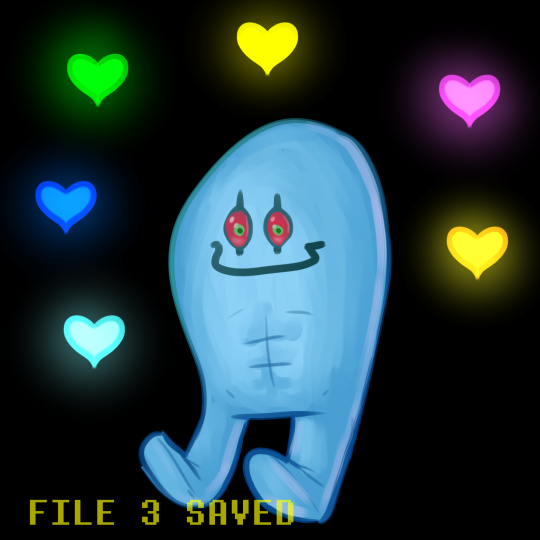
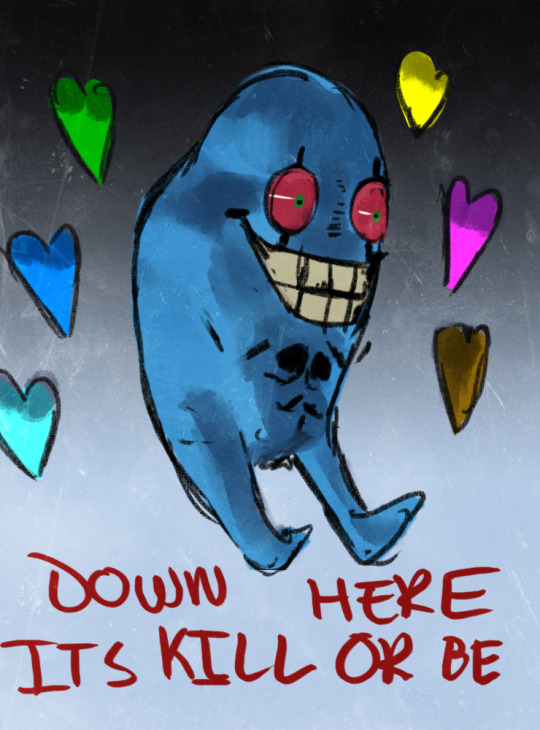
i drew this little friend and i dont know what he is but i love him

Don’t worry, friends. Little guy is ok.

he doesnt have arms to drink that tea that is a threat in disguise

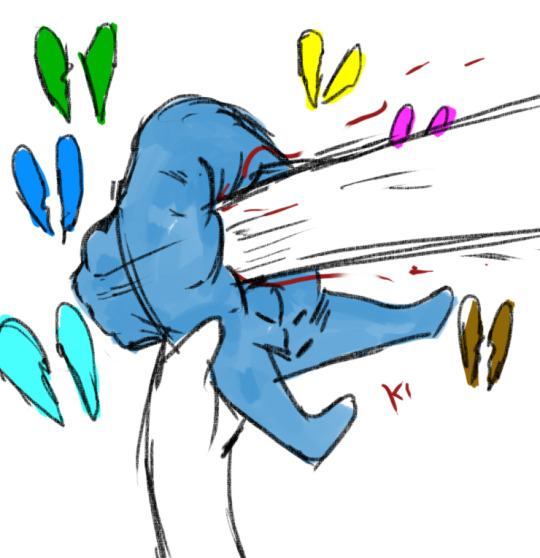
goodbye small fucker

LEAVE HIM ALONE

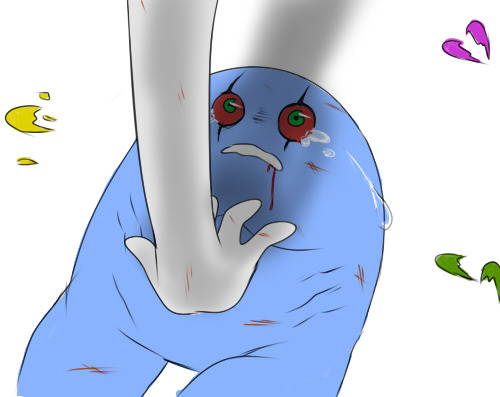
I’m going to help train our friend, I won’t stand to see him take this abuse any longer

We’re taking it a bit slow because he’s still recovering, but his training is coming along nicely! You can do it, little guy!

looks like all that training is starting to pay off

I will resurrect many time with more strangth.

Revenge is sweet.

goodbye small fucker

I always love these because you get to see so many different art styles but holy fuck guys someone needs to get him a spikey hat or knights armour covered in razor blades

I love how every time I see this there’s a new addition

The saga continues

image

image

image

…You IDIOTS.

The only version I will ever reblog is this one

Flowey no

no mercy small fucker

After all this time fighting, the little guy and his enemy realized that it was all pointless. Since the beginning, the hate for each other had only make them stronger but by accepting their differences and learning to respect each other, they realized that they don’t have to keep being rivals, but perhaps something else.

even if their relationship may have started badly, the strong bond between them will last forever, by helping each others with what they lack and learning to accept that even if people have difference it would only make a world a more interesting place to be c:

Just the happy ending I needed

YAS FINALLY

That was a long ass battle XD happy end… But is there a bad end?? Hmmmm *waiting for the shoe to drop

That was intense

Okay so I hate this always because it’s super unnecessary intense negativity that I just despise but I love the Flowey addition

mrdaxxonford:

dinosaurjam:

softlyfiercely:

staticandlove:

oak23:

itsoldjohn:

axelspark:

misssatori:

glyndarling:

cheesedemon:

rockin-resin-addict:

neenajaydon:

spacemermaidqueen:

tiger-in-the-flightdeck:

iwillfangirlthefuckoutofyou:

astudyinsnoggy:

lunadax:

hiddenlacuna:

the-abc-cafe:

krindragon:

sussexbound:

goldenheartedrose:

faerymorstan:

soyeahso:

captainwondyful:

thunderhunk:

The last thing you ate + the first thing you see when you look to your left is the title of your pretentious lifestyle blog.

Right now, mind would be called Pizza and Prints.

Cliff Bars & Wild Maine Blueberry Juice

rice pudding and pillows

tacos + pyjamas.

accurate tbh.

Eggs sanitizer.

Well.

Coffee & iPhone 

* yep, sounds pretty damn pretentious.

Mango piano
Sounds so much better than my actual lifestyle

Souvlaki + Turntable 

Yogurt husband.

Tea cake & my friend Vicky

sub & purse

Quesadillas & Lawn chairs

Peanut butter and milk bottles.

Grilled cheese and darkness

Pop Tarts and Phone Holders

Cake wall

Sour Candy and iPads

Water and Glitter

Pizza & Elder Scrolls 

sounds more like a pickup line

Coffee and Toys.

Um.  Wait…

potato chips teddy bear

noodles and doll dicks

tacos and scissors…

that might be a porn blog : P

Orange Chocolate Crinkle Cookies and Foster Parenting Binder

…snappy.

Ice Cream + Dinosaurs

Sandwich couch?

Chips and cup holders?

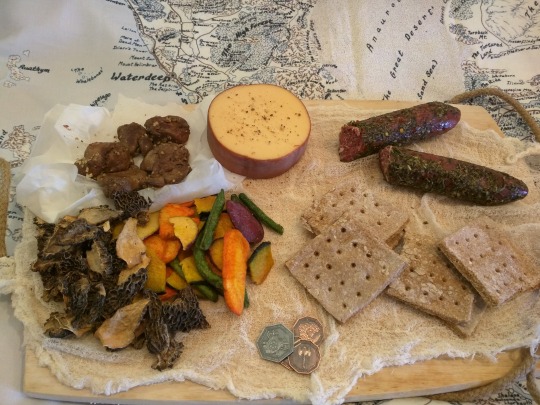
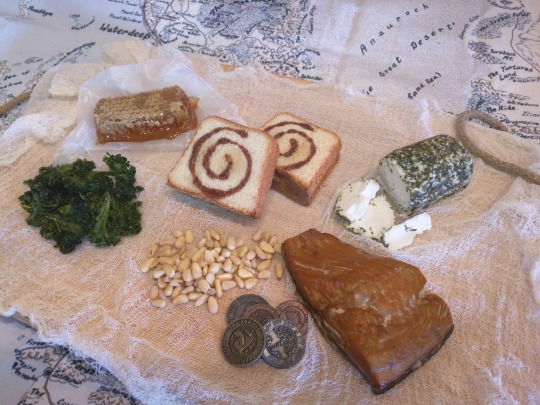
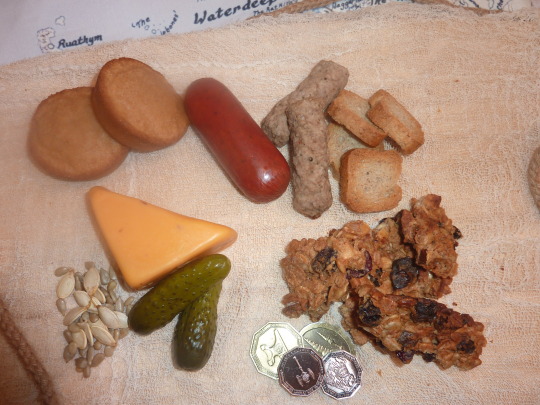
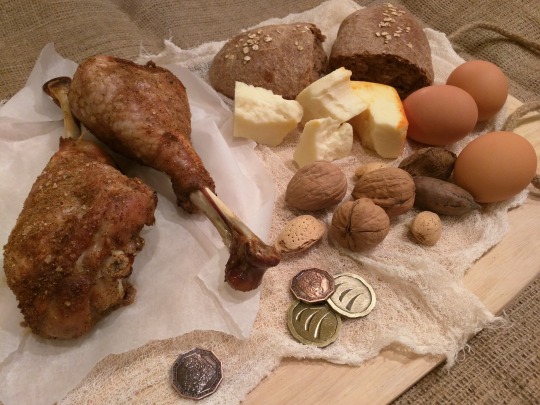
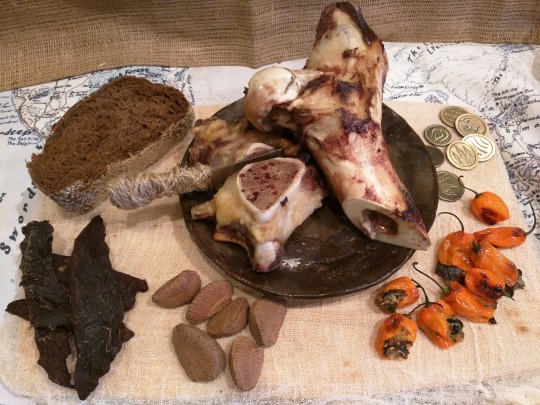
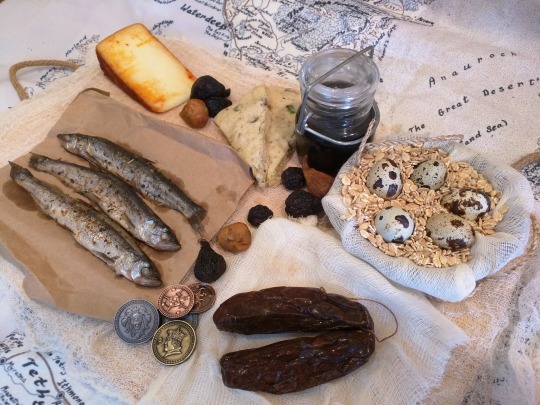
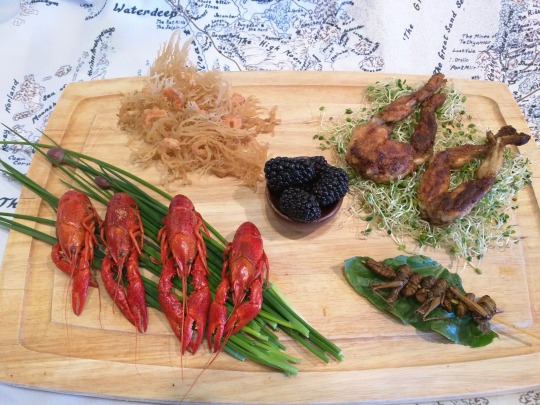
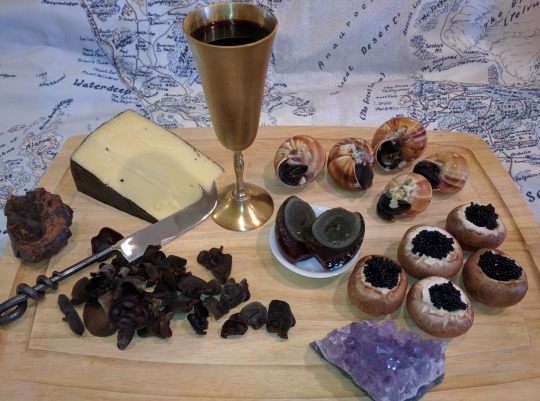
Rations for various RPG Races

weareoccultist:

artemis-entreri:

[[ Source. Original creator: wats6831. Additional information and images linked under each one. ]]

Universal:

image

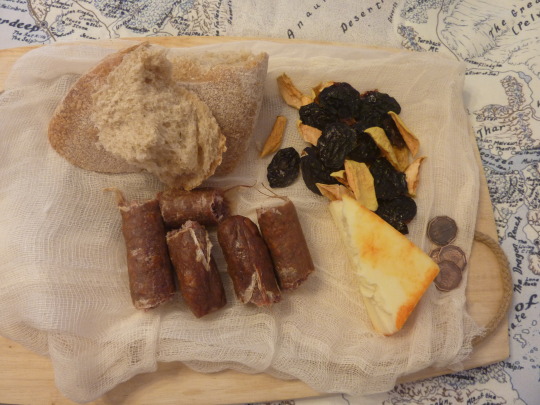
Homemade artisan herb bread, home grown and dried apples and prunes, uncured beef sausage, munster cheese. Made a small bag from cheesecloth and tied it closed.

Discussion thread here.


Dwarf:

image

Garlic chicken livers, smoked and peppered cheese, spiced pork sausages, hard tack, dried vegetables, dried wild mushrooms.

Discussion thread here.


Elf:

image

Top left to right: Evereskan Honey Comb, Elven Travel Bread (Amaretto Liquer Cake with custom swirls), Lurien Spring Cheese (goat cheese with garlic, salt, spices and shallots), Delimbyr Vale Smoked Silverfin (Salmon), Honey Spiced Lichen (Kale Chips), and Silverwood Pine Nuts.

Discussion thread here.


Halfling:

image

From upper left: “Honeytack” Hard tack honey cakes, beef sausage, pork sausage mini links, mini whole wheat toast, cranberry cheddar cheese mini wedge, mini pickles, pumpkin and sunflower seeds, lower right is my homemade “travel cake” muesli with raisins, golden prunes, honey, eggs and cream.

Discussion thread here.


Half-Orc:

image

Wrapped in cheesecloth and tied in burlap package. Forest strider drumsticks, molasses sweet wheat bread “black strap”, aged Munster, hard boiled eggs, mixed wild nuts.

Discussion thread here.


Orc:

image

Orcs aren’t known for their great cuisine. Orcs prefer foods that are readily available (whatever can be had by raiding), and portable with little preparation, though they have a few racial delicacies. Toughs strips of lean meat, bones scavenged from recent kills, and dark coarse bread make up the bulk of common orc rations.Fire roasted rothe femur (marrow is a rare treat) [beef femur], Strips of dried meat (of unknown origin) [homemade goose jerky], foraged nuts, only edible by orcs….nut cracker tusks [brazil nuts], coarse black bread, made with whatever grains can be pillaged [black sesame bread], Pungent peppers [Habanero peppers stuffed with smoked fish and olives].

More images here. Discussion thread here.


Gnome:

image

Pan fried Delimbyr smelt, spiced goat cheese (paprika crusted hand pressed Fontina), Gnome shortbread (savory pistachio), glass travel jar filled with Secomber Red (wine), hard boiled quail eggs packed in rolled oats (to keep safe), dried figs from Calimshan, and Southwood smoked goat sausage (blood sausage).

More images here. Discussion thread here.


Lizardfolk:

image

Lizardfolk are known to be omnivores, forage for a surprising variety of foods found within the confines of their marshy environs, in this case the Lizard Marsh near Daggerford. Fresh caught boiled Delimbyr Crayfish on wild chives, coastal carrageen moss entrapping estuary brine shrimp (irish moss, dried brine shrimp), Brackish-Berries (blackberries), Blackened Dart-Frog legs (frog legs) on spring sprouts (clover sprouts), roasted bog bugs on a stick!

More images here. Discussion thread here.


Drow:

image

From top left: Menzoberranzan black truffle rothe cheese (Black Knight Tilsit), Donigarten Moss Snails (Escargot in shallot butter sauce), Blind cave fish caviar in mushroom caps (Lumpfish caviar), faerzress infused duck egg imported from the surface Realms (Century egg), Black velvet ear fungus (Auricularia Black Fungus Mushroom).

More images here. Discussion thread here.

@weareadventurers

seashelbby:

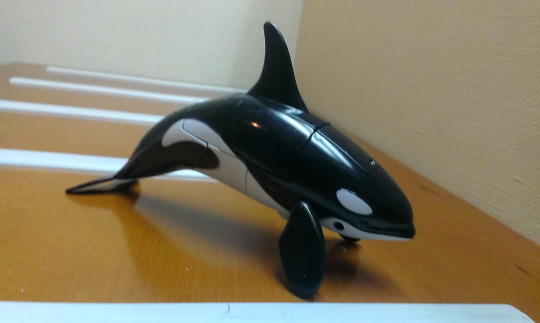
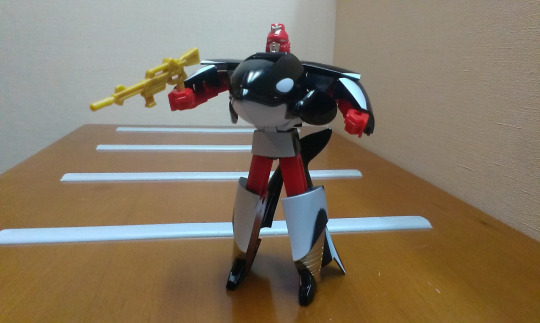
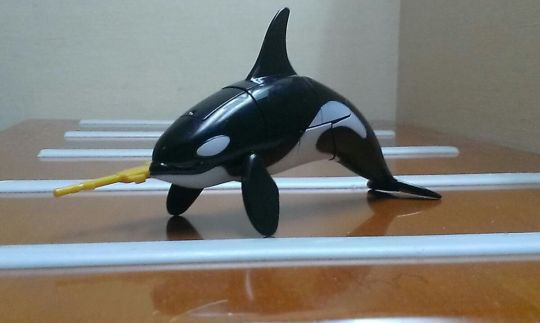
So, at Okinawa’s Churaumi Aquarium I purchased this orca toy 

image

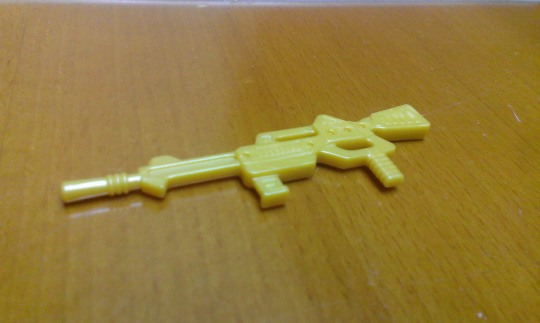
Pretty standard looking orca. Well, it also came with a gun.

image

Orca but with a gun.

image

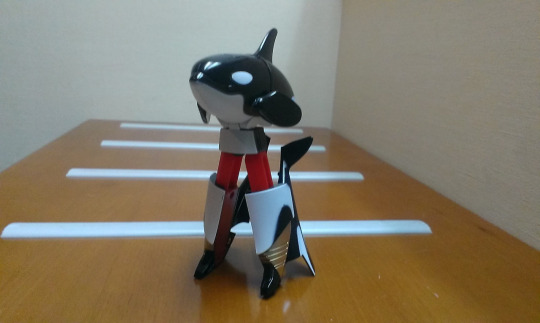
But that’s not all…

image

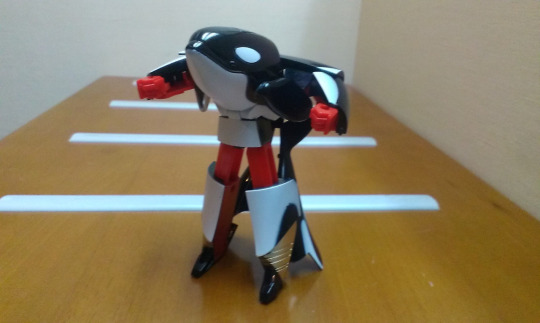
Oh.

image

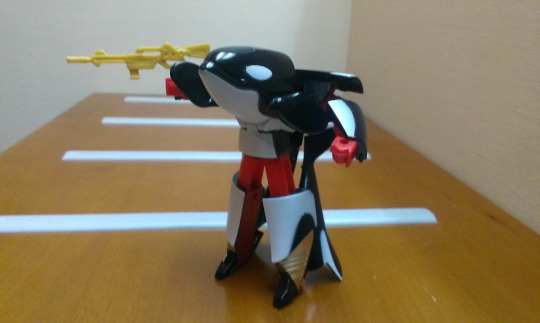
OH.

image

Don’t fuck with this orca unless you want to die.

image

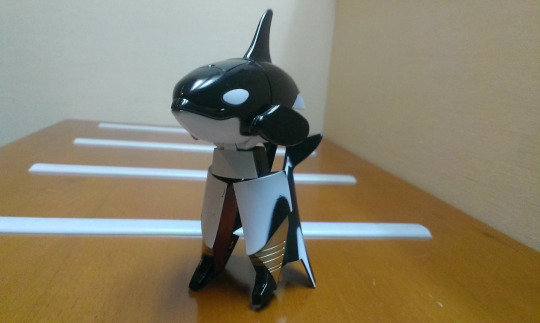
The orca also has a robot head compartment but it ain’t nearly as cool with it.

image

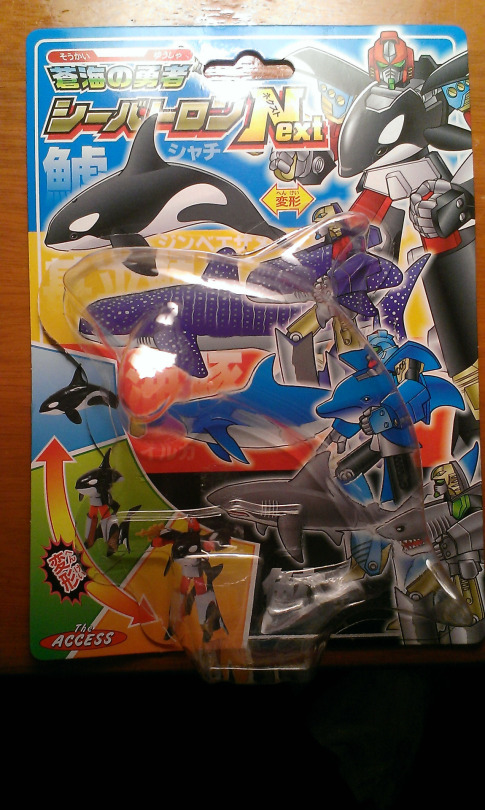
Also the packaging for this thing is absolutely amazing. There are 4 in all in the set, the orca, the whale shark, the dolphin, and the shark.

I love this ridiculous thing, what’s not to love? It’s an orca that tfs into a mecha and also has a gun.

spinejackel:

I recently found my “gold” hammer after misplacing it. It’s my favorite tool ever because it looks like a regular hammer trying to be fancy,

but then you twist both halves and unscrew it to find a flat-head screwdriver in the middle.

BUT, if you twist the very end and unscrew that

you find a phillips screwdriver.

BUT DON’T THINK THAT’S ALL THERE IS! THERE’S MORE!! unscrew the very end again to find a smaller flat-head screwdriver!

BUT THAT’S STILL NOT THE END!!

unscrew the end of this screwdriver to find a final, teeny tiny, flat-head screwdriver

look at how cute it is!

it’s like a matryoshka doll of tools.

How to make a character’s death sadder

visforvenom:

that-allstate-turtle12:

not-a-space-alien:

sous-le-saule:

pinkbucky:

actualarishok:

cinnamonphan:

runningnewtmas:

thegaygladers:

fangirl–of-everything:

rnychemicalromance:

hanbindoors:

sundownwinter:

asbehsam:

socialjusticeprincesses:

peachdoxie:

thehellspawnhero:

shuttle-fly-blogs:

iceb0x:

stevraybro:

the-right-writing:

  1.  Don’t have them die of old age after a long, fulfilling life. Many people don’t even think of this as sad (note that this can still work if you have enough of the other factors).
  2.  Leave one of their major goals unfinished. The more enthusiastic they are about completing the goal, the sadder.
  3.  Give them strong relationships with other characters.
  4.  Make them fight against whatever is causing their death. Their ultimate loss is sadder if they struggle.
  5.  Kill them in the middle of their character arc.
  6.  Don’t describe their funeral in detail. Maybe it’s just me, but I find that long descriptions of funerals kill the sadness.

That’s enough Satan’s publisher…

>B)

7. If possible, try to kill them off in the middle of the story, so we had time to like them and we will have time to let the loss settle in.
8. Also, place surviving characters in a situation where having the deceased person there would help them get out. You can choose whether you will point this fact out or if you want the audience to make the connection themselves.

image

9. Make them die by sacrificing themselves to save someone they love from a danger created by the antagonist.

based on a few deaths that made me blub like a baby…

10. have their loved one, broken hearted, tell the team to stop fighting because “its over.” 

11. have their pet come looking for them. 

12. have their loved one perform a popular song at their funeral so it makes the fans cry whenever it’s played.

13. family witnessing the death and/or blaming themselves.

~ Mulan

so… let’s add some frustration to your dear readers’ sadness, shall we?

14. kill the character in the middle of making a joke, smiling, or expressing/experiencing joy/happiness.

15. make the character’s death slow and painful, but make them unable to call out for help even though they can literally see the other characters nearby.

16. after killing the character, have others think the character had betrayed them so they’d always hate them and remember them as traitors and never say nice things about them… Give your readers no chance to have group-therapy with other characters by making them the only ones who know the truth.

17. right before their death, show a side of them nobody has seen. (someone who is always tough and brave being genuinely scared of dying alone; someone who is always laughing being in tears before dying, etc.)
18. make them the only person who knows a big important secret that would help other characters in the story.
19. have them being lied to before dying. (thinking they’ve been betrayed; thinking they weren’t loved; thinking they’ve lost their loved ones, etc)

20. make the character very enthusiastic/passionate about a certain goal, constantly put stress on their goal, have them die unexpectedly before they can reach their goal. 

and the best one…

21. have another beloved character kill them–better be a close friend to your character, one that absolutely nobody suspects, one that everyone can’t help but love, one who is always enthusiastic about things and encourages your character. THEN

  • reveal the truth only later when it’s too late and the a-hole character has already escaped.
  • have a cowardly character know the truth and never tell anyone else
  • have another character find out the truth and have them die before revealing it to others. 
  • have the said character ^ not actually die, but go through something so they’d forget the friend of the deceased character is actually an asshole. 

This way only your readers will know the truth, thus the frustration would be… most enjoyable for you.

Satan out.

22. Don’t kill their body.  Kill their mind.

Leave the physical shell walking and talking, but strip out everything that made that person who they were.  Make them forget all about their loved ones, themselves, their experiences and past, their skills, and have them have to start over completely from scratch.  Physical and mental disabilities bonus points.

And keep them in a place where their loved ones will be taunted every day by a living ghost.

officialluna

23. the character you kill should be the most innocent one. it’s horrifyingly sad if the puppy gets killed. but if its the bad guy that dies, it’s like “oh, cool.”

24. Show how it effects the other characters. Don’t just gloss over it. Is this the death that pushes them over the edge? Do they blame themselves? Do they scream at everyone and break down, or do they suffer silently?

25. Have their family find out. The mother screams, the dad cries, the brother punches the wall or holds the body sobbing “I was supposed to protect him”, or “come on, you need to wake up”

26. Have them beg for death from the person they loved most…

Antra no stop pls

CHILL

27. Have them die by accident. Take the character the readers will love most, who has never been mundane throughout all the time the readers knew them. Take that special character, the leader, the fighter, and let them die from something none of your characters could have prevented. A rotten bridge, a runaway carriage or drunk driver. Anything that could happen to anyone. Let it happen to them.

.. I feel so sorry for my readers, I’m using multiple tips on just 1 character death

I reblog this for @not-a-space-alien. (You inspired this, didn’t you?) Muhahaha!

Haha…oh my pal….I’m not sorry
But I AM adding onto this. 

28. The death has to seem natural and believable within the context of the plot. Nothing kills sadness for me faster than having it be obvious that the character is only dying because the writer decided that they should, ESPECIALLY if it seems like they only did it to try and make you sad. The story should be set up so that the death arises as a natural consequence of the plot, not some hand of god act where it’s forced in in an attempt to elicit emotions (or to simply get the character out of the story)

@0kat00

29. Have the death happen during a happy climatic moment, close to the end of the story, like a husband find out his wife is pregnant. Then during the death have the dying character mention said happiness and how it will be said that the character can never achieve the end goal, i.e. the birth of the child.

Brass nails and why I have them.

glitteryspacegeneral:

bertmacklin-atf:

thetransintransgenic:

brodingershat:

spacedyke:

anagrammaton:

ridgedog:

Ever since last night I’ve been getting a lot of questions about my brass fingernails. First of all. NO, they are not prosthesis. i have them for a specific reason.

Here’s what they look like:

image

another view 

image

HERE’s is the reason:

I bite my nails all the time. constantly, idly, without thinking.

image

If you’re like me, and love giving back scratches, then having no nails is a problem:

image

Here’s how chose to fix this problem:

Shoot bullet, collect casing.

image

cut bullet.

image

The bullets have a taper inside. we will want the broader side of the taper to be outward on our nails, and the thinner side against the rear of the nail so there is no jutting up of material when they are glued on. Here’s what that taper looks like, one cylinder is flipped over to show how thick it is at the base:

image

clip, bend, and trim into a nail shape:

image

image

sand for a fine (BUT NOT CUTTING SHARP) edge on the front and smooth edges.

image

Glue with Krazy glue, it’s the best.

image

it’ll dry quick. NOW TRY BACK SCRATCHES. LOOK AT THIS DIFFERENCE.

image

Amazing. the nails will stay on for about a week at a time before working themselves loose, when that happens just scrape the glue off and reapply.

Unless you happen to have reached into the closet and snagged it on your shelves and broke the nail off on your pinky cuz holy god that hurt. reapply anyways.

Also these work as screwdrivers, knives and various other multi-tools at the tip of your finger, so that’s pretty rad. I don’t know how odd i should feel about having done this, but i must say; it’s handy as hell and really fun to have nails again.

OH, also you can shine them with “brasso” or something but screw that, I’ve tried that and they get mirror bright and really annoyingly shiny. not my thing.

excellent

this is some steampunk shit and i love it

Holy shit, this is literally the coolest thing I’ve read all day.

“Here’s how I chose to fix this problem:

shoot bullets, collect casing”

I would have totally rocked these back when I had a goth phase.

If I could have nails these are the nails I would have

whoa, when I noticed I couldn’t scratch myself properly because of ripping my nails I just grew them out.  This is a way cooler solution!

How Doctors Take Women’s Pain Less Seriously

adrenaline-revolver:

the-moon-in-the-water:

pastrygeckos:

journalsarepointless:

welcome-to-fandomonium-blog:

bando–grand-scamyon:

phoenixfire-thewizardgoddess:

Early on a Wednesday morning, I heard an anguished cry—then silence.

I rushed into the bedroom and watched my wife, Rachel, stumble from the bathroom, doubled over, hugging herself in pain.

“Something’s wrong,” she gasped.

This scared me. Rachel’s not the type to sound the alarm over every pinch or twinge. She cut her finger badly once, when we lived in Iowa City, and joked all the way to Mercy Hospital as the rag wrapped around the wound reddened with her blood. Once, hobbled by a training injury in the days before a marathon, she limped across the finish line anyway.

So when I saw Rachel collapse on our bed, her hands grasping and ungrasping like an infant’s, I called the ambulance. I gave the dispatcher our address, then helped my wife to the bathroom to vomit.

I don’t know how long it took for the ambulance to reach us that Wednesday morning. Pain and panic have a way of distorting time, ballooning it, then compressing it again. But when we heard the sirens wailing somewhere far away, my whole body flooded with relief.

I didn’t know our wait was just beginning.

I buzzed the EMTs into our apartment. We answered their questions: When did the pain start? That morning. Where was it on a scale of one to 10, with 10 being worst?

“Eleven,” Rachel croaked.

As we loaded into the ambulance, here’s what we didn’t know: Rachel had an ovarian cyst, a fairly common thing. But it had grown, undetected, until it was so large that it finally weighed her ovary down, twisting the fallopian tube like you’d wring out a sponge. This is called ovarian torsion, and it creates the kind of organ-failure pain few people experience and live to tell about.

“Ovarian torsion represents a true surgical emergency,” says an article in the medical journal Case Reports in Emergency Medicine. “High clinical suspicion is important. … Ramifications include ovarian loss, intra-abdominal infection, sepsis, and even death.” The best chance of salvaging a torsed ovary is surgery within eight hours of when the pain starts.

* * *

There is nothing like witnessing a loved one in deadly agony. Your muscles swell with the blood they need to fight or run. I felt like I could bend iron, tear nylon, through the 10-minute ambulance ride and as we entered the windowless basement hallways of the hospital.

And there we stopped. The intake line was long—a row of cots stretched down the darkened hall. Someone wheeled a gurney out for Rachel. Shaking, she got herself between the sheets, lay down, and officially became a patient.

We didn’t know her ovary was dying, calling out in the starkest language the body has.

Emergency-room patients are supposed to be immediately assessed and treated according to the urgency of their condition. Most hospitals use the Emergency Severity Index, a five-level system that categorizes patients on a scale from “resuscitate” (treat immediately) to “non-urgent” (treat within two to 24 hours).

I knew which end of the spectrum we were on. Rachel was nearly crucified with pain, her arms gripping the metal rails blanched-knuckle tight. I flagged down the first nurse I could.

“My wife,” I said. “I’ve never seen her like this. Something’s wrong, you have to see her.”

“She’ll have to wait her turn,” she said. Other nurses’ reactions ranged from dismissive to condescending. “You’re just feeling a little pain, honey,” one of them told Rachel, all but patting her head.

We didn’t know her ovary was dying, calling out in the starkest language the body has. I saw only the way Rachel’s whole face twisted with the pain.

Soon, I started to realize—in a kind of panic—that there was no system of triage in effect. The other patients in the line slept peacefully, or stared up at the ceiling, bored, or chatted with their loved ones. It seemed that arrival order, not symptom severity, would determine when we’d be seen.

As we neared the ward’s open door, a nurse came to take Rachel’s blood pressure. By then, Rachel was writhing so uncontrollably that the nurse couldn’t get her reading.

She sighed and put down her squeezebox.

“You’ll have to sit still, or we’ll just have to start over,” she said.

Finally, we pulled her bed inside. They strapped a plastic bracelet, like half a handcuff, around Rachel’s wrist.

* * *

From an early age we’re taught to observe basic social codes: Be polite. Ask nicely.Wait your turn. But during an emergency, established codes evaporate—this is why ambulances can run red lights and drive on the wrong side of the road. I found myself pleading, uselessly, for that kind of special treatment. I kept having the strange impulse to take out my phone and call 911, as if that might transport us back to an urgent, responsive world where emergencies exist.

The average emergency-room patient in the U.S. waits 28 minutes before seeing a doctor. I later learned that at Brooklyn Hospital Center, where we were, the average wait was nearly three times as long, an hour and 49 minutes. Our wait would be much, much longer.

Everyone we encountered worked to assure me this was not an emergency. “Stones,” one of the nurses had pronounced. That made sense. I could believe that. I knew that kidney stones caused agony but never death. She’d be fine, I convinced myself, if I could only get her something for the pain.

By 10 a.m., Rachel’s cot had moved into the “red zone” of the E.R., a square room with maybe 30 beds pushed up against three walls. She hardly noticed when the attending physician came and visited her bed; I almost missed him, too. He never touched her body. He asked a few quick questions, and then left. His visit was so brief it didn’t register that he was the person overseeing Rachel’s care.

Around 10:45, someone came with an inverted vial and began to strap a tourniquet around Rachel’s trembling arm. We didn’t know it, but the doctor had prescribed the standard pain-management treatment for patients with kidney stones: hydromorphone for the pain, followed by a CT scan.

The pain medicine started seeping in. Rachel fell into a kind of shadow consciousness, awake but silent, her mouth frozen in an awful, anguished scowl. But for the first time that morning, she rested.

* * *

Leslie Jamison’s essay “Grand Unified Theory of Female Pain” examines ways that different forms of female suffering are minimized, mocked, coaxed into silence. In an interview included in her book The Empathy Exams, she discussed the piece, saying: “Months after I wrote that essay, one of my best friends had an experience where she was in a serious amount of pain that wasn’t taken seriously at the ER.”

She was talking about Rachel.  

“Women are likely to be treated less aggressively until they prove that they are as sick as male patients.”

“That to me felt like this deeply personal and deeply upsetting embodiment of what was at stake,” she said. “Not just on the side of the medical establishment—where female pain might be perceived as constructed or exaggerated—but on the side of the woman herself: My friend has been reckoning in a sustained way about her own fears about coming across as melodramatic.”

“Female pain might be perceived as constructed or exaggerated”: We saw this from the moment we entered the hospital, as the staff downplayed Rachel’s pain, even plain ignored it. In her essay, Jamison refers back to “The Girl Who Cried Pain,” a study identifying ways gender bias tends to play out in clinical pain management. Women are  “more likely to be treated less aggressively in their initial encounters with the health-care system until they ‘prove that they are as sick as male patients,’” the study concludes—a phenomenon referred to in the medical community as “Yentl Syndrome.”

In the hospital, a lab tech made small talk, asked me how I like living in Brooklyn, while my wife struggled to hold still enough for the CT scan to take a clear shot of her abdomen.

“Lot of patients to get to, honey,” we heard, again and again, when we begged for stronger painkillers. “Don’t cry.”

I felt certain of this: The diagnosis of kidney stones—repeated by the nurses and confirmed by the attending physician’s prescribed course of treatment—was a denial of the specifically female nature of Rachel’s pain. A more careful examiner would have seen the need for gynecological evaluation; later, doctors told us that Rachel’s swollen ovary was likely palpable through the surface of her skin. But this particular ER, like many in the United States, had no attending OB-GYN. And every nurse’s shrug seemed to say, “Women cry—what can you do?”

Nationwide, men wait an average of 49 minutes before receiving an analgesic for acute abdominal pain. Women wait an average of 65 minutes for the same thing. Rachel waited somewhere between 90 minutes and two hours.

“My friend has been reckoning in a sustained way about her own fears about coming across as melodramatic.” Rachel does struggle with this, even now. How long is it appropriate to continue to process a traumatic event through language, through repeated retellings? Friends have heard the story, and still she finds herself searching for language to tell it again, again, as if the experience is a vast terrain that can never be fully circumscribed by words. Still, in the throes of debilitating pain, she tried to bite her lip, wait her turn, be good for the doctors.

For hours, nothing happened. Around 3 o’clock, we got the CT scan and came back to the ER. Otherwise, Rachel lay there, half-asleep, suffering and silent. Later, she’d tell me that the hydromorphone didn’t really stop the pain—just numbed it slightly. Mostly, it made her feel sedated, too tired to fight.

If she had been alone, with no one to agitate for her care, there’s no telling how long she might have waited.

Eventually, the doctor—the man who’d come to Rachel’s bedside briefly, and just once—packed his briefcase and left. He’d been around the ER all day, mostly staring into a computer. We only found out later he’d been the one with the power to rescue or forget us.

When a younger woman came on duty to take his place, I flagged her down. I told her we were waiting on the results of a CT scan, and I hassled her until she agreed to see if the results had come in.

When she pulled up Rachel’s file, her eyes widened.

“What is this mess?” she said. Her pupils flicked as she scanned the page, the screen reflected in her eyes.

“Oh my god,” she murmured, as though I wasn’t standing there to hear. “He never did an exam.”

The male doctor had prescribed the standard treatment for kidney stones—Dilauded for the pain, a CT scan to confirm the presence of the stones. In all the hours Rachel spent under his care, he’d never checked back after his initial visit. He was that sure. As far as he was concerned, his job was done.

If Rachel had been alone, with no one to agitate for her care, there’s no telling how long she might have waited.

It was almost another hour before we got the CT results. But when they came, they changed everything.

“She has a large mass in her abdomen,” the female doctor said. “We don’t know what it is.”

That’s when we lost it. Not just because our minds filled then with words liketumor and cancer and malignant. Not just because Rachel had gone half crazy with the waiting and the pain. It was because we’d asked to wait our turn all through the day—longer than a standard office shift—only to find out we’d been an emergency all along.

Suddenly, the world responded with the urgency we wanted. I helped a nurse push Rachel’s cot down a long hallway, and I ran beside her in a mad dash to make the ultrasound lab before it closed. It seemed impossible, but we were told that if we didn’t catch the tech before he left, Rachel’s care would have to be delayed until morning.

“Whatever happens,” Rachel told me while the tech prepared the machine, “don’t let me stay here through the night. I won’t make it. I don’t care what they tell you—I know I won’t.”

Soon, the tech was peering inside Rachel through a gray screen. I couldn’t see what he saw, so I watched his face. His features rearranged into a disbelieving grimace.

By then, Rachel and I were grasping at straws. We thought: cancer. We thought: hysterectomy. Lying there in the dim light, Rachel almost seemed relieved.

“I can live without my uterus,” she said, with a soft, weak smile. “They can take it out, and I’ll get by.”

She’d make the tradeoff gladly, if it meant the pain would stop.

After the ultrasound, we led the gurney—slowly, this time—down the long hall to the ER, which by then was  completely crammed with beds. Trying to find a spot for Rachel’s cot was like navigating rush-hour traffic.

Then came more bad news. At 8 p.m., they had to clear the floor for rounds. Anyone who was not a nurse, or lying in a bed, had to leave the premises until visiting hours began again at 9.

When they let me back in an hour later, I found Rachel alone in a side room of the ER. So much had happened. Another doctor had told her the mass was her ovary, she said. She had something called ovarian torsion—the fallopian-tube twists, cutting off blood. There was no saving it. They’d have to take it out.

Rachel seemed confident and ready.

“He’s a good doctor,” she said. “He couldn’t believe that they left me here all day. He knows how much it hurts.”

When I met the surgery team, I saw Rachel was right. Talking with them, the words we’d used all day—excruciating, emergency, eleven—registered with real and urgent meaning. They wanted to help.

By 10:30, everything was ready. Rachel and I said goodbye outside the surgery room, 14 and a half hours from when her pain had started.

* * *

Rachel’s physical scars are healing, and she can go on the long runs she loves, but she’s still grappling with the psychic toll—what she calls “the trauma of not being seen.” She has nightmares, some nights. I wake her up when her limbs start twitching.

Sometimes we inspect the scars on her body together, looking at the way the pink, raised skin starts blending into ordinary flesh. Maybe one day, they’ll become invisible. Maybe they never will.

This made me SOOOO FUCKING ANGRY

I’m angry and sad and so bloody relieved she’s even ALIVE. I was preparing myself for him to say they faffed around all day and killed my wife. Because they don’t take women seriously. Women endure the pain of childbirth. We know what real pain is. We know when something is WRONG!

The accuracy of this is so intense and so scary… I feel like I’m a weird position, as a transman with SO many medical issues my whole life, to have been able to see it from both perspectives and here’s something I realized reading this…

IT CHANGED.

I hadn’t thought about it until I read this and instantly found myself looking at all my ER experiences (and there have been more than I’d like to admit).  

As a “woman” I spent a great deal of time in the waiting room, clutching my sides or writing in chairs.  I was told for over a year (four emergency room visits and countless primary appointments) that I had kidney stones, only to later be rushed into emergency spinal surgery to prevent paralysis for something that could have been corrected with simple physical therapy.  I was threatened with not receiving pain medication if I didn’t calm down and/or accept the (incorrect) diagnosis.  My desperation in these places was so great, and so difficult, that my depressed mind, with this as a catalyst I sometimes thought death might be preferable than going to the ER and I had to physically forced to seek help.

After growing more firm in my visual representation of a man, I’ve been to the ER three times and my primary countless.  I can tell you right now several things: the staff was nicer, more sympathetic, and actually listened to me.  I went to the worst hospital in my current area just two months ago and people said they were astonished that I had decent help… No, correction, women told me they were astonished I got helped as “fast” as I did (two-three hours in the waiting room).  Doctors at all of these ER visits talked to me about what I might have, what they thought, what I thought….

I’ve received better medical help in the three years I’ve visually stood as a man than in more than twenty-five years appearing as a woman.  

Our medical system was already shit.  It was back then.  It is now.  That is no excuse for women to be treated this way.  There is absolutely no reason a doctor should ever, ever dismiss a patients concerns.  The truth of it is that we are in our bodies, all people regardless of any visual traits, and we know when they’re acting up.  This is not okay.

And I will end this rant here to keep from diving into more details about our ludicrous medical system. 

I think you guys know I already feel strongly about this, and I’m really glad there’s an article up about this from a male perspective.

This has happened to me so many times. As a woman with endometriosis and ovarian torsions, good luck getting taken seriously on the UK or USA. Funnily enough back in the Netherlands where I’m from, I get taken seriously every single time I head to the ER or GP. I’ve found this type of behaviour far more prevalent in English speaking countries and I still am not sure why, just glad to be home with a hospital I can depend on.

The only reason Im alive is because my parents are nuts willing to cause any grade of hell needed to make sure I get seen properly. But even with that I hate seeing a male doctor because the only one who ever asked me how I was doing is a pediatrician I had when I was like five. The rest just talk to their little interns about me like im not there.

How Doctors Take Women’s Pain Less Seriously